Note: This report is based on the analysis of PMP exam resources, specifically the structure and content style of the Freecram PMP v2025-12-17 update.
Lưu ý: Báo cáo này dựa trên phân tích các tài liệu thi PMP, cụ thể là cấu trúc và phong cách nội dung của bản cập nhật Freecram PMP v2025-12-17.
1. Objectives / Mục tiêu
This report aims to provide a scientific and structured analysis of the PMP exam preparation materials sourced from Freecram (Version e7002), facilitating deep understanding for candidates.
Báo cáo này nhằm cung cấp một phân tích khoa học và có cấu trúc về các tài liệu luyện thi PMP từ nguồn Freecram (Phiên bản e7002), giúp các ứng viên hiểu sâu vấn đề.
- Analyze the Exam Structure: Understand the distribution of questions across People, Process, and Business Environment domains.
- Phân tích cấu trúc bài thi: Hiểu sự phân bổ câu hỏi qua các miền Con người, Quy trình và Môi trường Kinh doanh.
- Decide Strategy: Provide a roadmap for new learners to study efficiently in a short time.
- Quyết định chiến lược: Cung cấp lộ trình cho người mới học hiệu quả trong thời gian ngắn.
2. Introduction to Freecram / Giới thiệu về Freecram
Freecram is a well-known online platform that provides updated exam dumps and practice questions for various IT and professional certifications, including PMP.
Freecram là một nền tảng trực tuyến nổi tiếng cung cấp các bộ đề thi cập nhật và câu hỏi thực hành cho nhiều chứng chỉ CNTT và chuyên nghiệp, bao gồm cả PMP.
- Role: It serves as a simulation tool to help candidates familiarise themselves with the actual exam format and time pressure.
- Vai trò: Nó đóng vai trò như một công cụ mô phỏng giúp thí sinh làm quen với định dạng bài thi thực tế và áp lực thời gian.
- Version e7002: This specific release for the 2025 PMP exam includes questions that reflect the latest Examination Content Outline (ECO).
- Phiên bản e7002: Bản phát hành cụ thể này cho kỳ thi PMP 2025 bao gồm các câu hỏi phản ánh Đề cương Nội dung Thi (ECO) mới nhất.
3. PMP Exam Overview 2025 / Tổng quan bài thi PMP
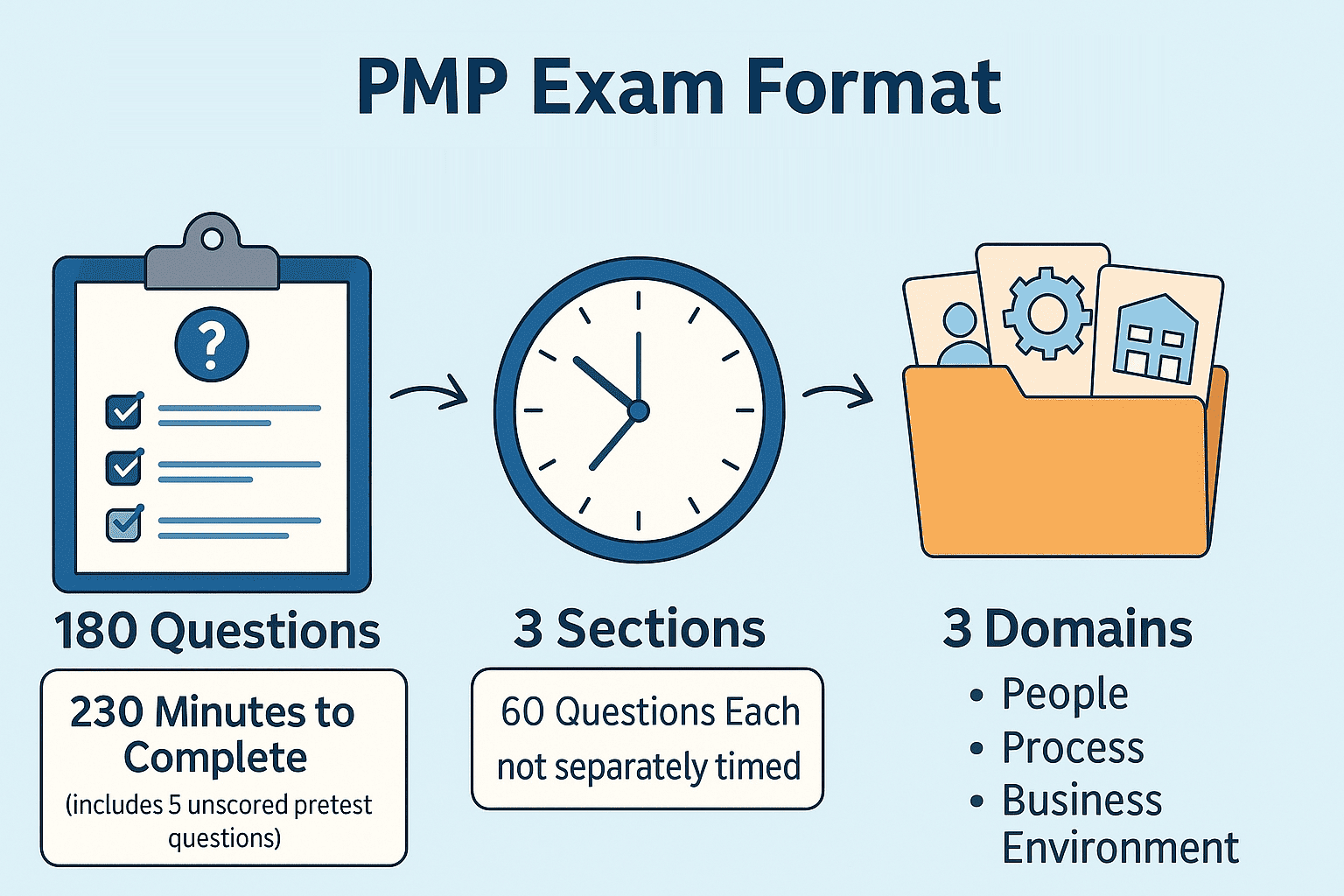
The 2025 PMP Exam continues to adhere to the Examination Content Outline (ECO) 2021, focusing on three key domains.
Kỳ thi PMP năm 2025 tiếp tục tuân thủ theo Đề cương Nội dung Thi (ECO) 2021, tập trung vào ba miền chính.
| Domain / Miền | Percentage / Tỷ lệ | Focus / Trọng tâm |
|---|---|---|
| People (Con người) | 42% | Leading teams, managing conflict, supporting virtual teams. Lãnh đạo nhóm, quản lý xung đột, hỗ trợ nhóm ảo. |
| Process (Quy trình) | 50% | Methodology (Agile/Waterfall/Hybrid), managing budget, schedule, scope. Phương pháp luận (Agile/Waterfall/Lai), quản lý ngân sách, tiến độ, phạm vi. |
| Business Env (Môi trường KD) | 8% | Compliance, delivering value, organizational change. Tuân thủ, chuyển giao giá trị, thay đổi tổ chức. |
4. Features of Version e7002 / Đặc điểm phiên bản e7002
Based on the metadata from the source link, this version (e7002) represents a significant update for late 2025 candidates.
Dựa trên siêu dữ liệu từ liên kết nguồn, phiên bản này (e7002) đại diện cho một bản cập nhật quan trọng cho các ứng viên cuối năm 2025.
- Update Date: December 17, 2025.
- Ngày cập nhật: 17/12/2025.
- Content Shift: Increased focus on “Hybrid” scenarios and “Soft Skills” (Servant Leadership).
- Dịch chuyển nội dung: Tăng cường tập trung vào các tình huống “Lai” (Hybrid) và “Kỹ năng mềm” (Lãnh đạo phục vụ).
- Question Types: Situation-based multiple choice, Drag-and-drop, and Hotspot.
- Loại câu hỏi: Trắc nghiệm tình huống, Kéo-thả, và Điểm nóng (Hotspot).
5. Deep Dive: Common Pitfalls & Mistakes / Các lỗi và bẫy thường gặp
This section highlights areas where candidates often lose points, illustrated with examples inspired by the Freecram database.
Phần này nêu bật các lĩnh vực mà thí sinh thường mất điểm, được minh họa bằng các ví dụ lấy cảm hứng từ cơ sở dữ liệu Freecram.
5.1. Agile vs. Waterfall Confusion / Nhầm lẫn giữa Agile và Waterfall
Pitfall: Applying traditional heavy documentation (Waterfall) to an Agile scenario, or vice versa.
Bẫy: Áp dụng việc làm tài liệu nặng nề truyền thống (Waterfall) vào tình huống Agile, hoặc ngược lại.
Example 1:
- Context: The team is using Scrum. A stakeholder asks for a change.
- Bối cảnh: Nhóm đang sử dụng Scrum. Một bên liên quan yêu cầu thay đổi.
- Wrong Reflex: Submit a Change Request to the CCB (Change Control Board).
- Phản xạ sai: Gửi Yêu cầu Thay đổi lên CCB (Ban Kiểm soát Thay đổi).
- Correct Action: Discuss with the Product Owner to prioritize it in the Backlog.
- Hành động đúng: Thảo luận với Product Owner để ưu tiên trong Backlog.
Example 2:
- Context: A critical bug is found during a Sprint.
- Bối cảnh: Một lỗi nghiêm trọng được tìm thấy trong Sprint.
- Wrong Reflex: Update the project management plan schedule immediately.
- Phản xạ sai: Cập nhật tiến độ kế hoạch quản lý dự án ngay lập tức.
- Correct Action: The team collaborates to fix it; if it endangers the Sprint Goal, the Product Owner decides.
- Hành động đúng: Nhóm cộng tác để sửa nó; nếu nó đe dọa Mục tiêu Sprint, Product Owner sẽ quyết định.
Example 3:
- Context: Team velocity is fluctuating wildly.
- Bối cảnh: Tốc độ (Velocity) của nhóm đang dao động dữ dội.
- Wrong Reflex: Manager assigns tasks to stabilize work.
- Phản xạ sai: Quản lý phân công nhiệm vụ để ổn định công việc.
- Correct Action: Facilitate a Retrospective to find the root cause.
- Hành động đúng: Điều phối cuộc họp Cải tiến (Retrospective) để tìm nguyên nhân gốc rễ.
5.2. Servant Leadership Misunderstanding / Hiểu sai về Lãnh đạo Phục vụ
Pitfall: Solving problems for the team instead of empowering them, or ignoring conflicts hoping they vanish.
Bẫy: Giải quyết vấn đề *thay cho nhóm thay vì trao quyền cho họ, hoặc phớt lờ xung đột với hy vọng chúng tự biến mất.*
Example 1:
- Context: Two team members are arguing about a technical solution.
- Bối cảnh: Hai thành viên nhóm đang tranh luận về giải pháp kỹ thuật.
- Wrong Reflex: The PM decides the best solution to save time.
- Phản xạ sai: PM quyết định giải pháp tốt nhất để tiết kiệm thời gian.
- Correct Action: Facilitate a collaborative session for them to reach a consensus.
- Hành động đúng: Điều phối một phiên làm việc cộng tác để họ đạt được đồng thuận.
Example 2:
- Context: A junior member is struggling with a task.
- Bối cảnh: Một thành viên mới đang gặp khó khăn với nhiệm vụ.
- Wrong Reflex: Reassign the task to a senior member.
- Phản xạ sai: Giao lại nhiệm vụ cho một thành viên cấp cao.
- Correct Action: Provide coaching or arrange pair programming.
- Hành động đúng: Cung cấp huấn luyện hoặc sắp xếp lập trình cặp.
Example 3:
- Context: Stakeholders are bypassing the Product Owner to give work to the team.
- Bối cảnh: Các bên liên quan đang bỏ qua Product Owner để giao việc cho nhóm.
- Wrong Reflex: Tell the team to do the work to keep stakeholders happy.
- Phản xạ sai: Bảo nhóm làm việc đó để giữ các bên liên quan vui vẻ.
- Correct Action: Protect the team and redirect stakeholders to the Product Owner.
- Hành động đúng: Bảo vệ nhóm và hướng các bên liên quan đến Product Owner.
5.3. Process Compliance vs. Tailoring / Tuân thủ Quy trình vs. Tùy chỉnh
Pitfall: Following a process blindly without considering the value or context (Hybrid).
Bẫy: Tuân thủ quy trình một cách mù quáng mà không xem xét giá trị hoặc bối cảnh (Lai).
Example 1:
- Context: A small compliance project requires strict documentation.
- Bối cảnh: Một dự án tuân thủ nhỏ yêu cầu tài liệu nghiêm ngặt.
- Wrong Reflex: Use Agile just because it’s popular.
- Phản xạ sai: Sử dụng Agile chỉ vì nó phổ biến.
- Correct Action: Use a predictive approach (Waterfall) to ensure compliance.
- Hành động đúng: Sử dụng phương pháp dự đoán (Waterfall) để đảm bảo tuân thủ.
Example 2:
- Context: The project is falling behind schedule due to strict approval layers.
- Bối cảnh: Dự án đang bị chậm tiến độ do các lớp phê duyệt nghiêm ngặt.
- Wrong Reflex: Crash the schedule by adding more resources immediately.
- Phản xạ sai: Đẩy nhanh tiến độ (Crash) bằng cách thêm nguồn lực ngay lập tức.
- Correct Action: Assess if the approval process can be streamlined (Tailoring).
- Hành động đúng: Đánh giá xem quy trình phê duyệt có thể được tinh giản hay không (Tùy chỉnh).
Example 3:
- Context: A hybrid project has both hardware (waterfall) and software (agile) components.
- Bối cảnh: Một dự án lai có cả phần cứng (waterfall) và phần mềm (agile).
- Wrong Reflex: Force the software team to follow the hardware milestones strictly.
- Phản xạ sai: Ép đội phần mềm phải tuân thủ nghiêm ngặt các mốc tiến độ của phần cứng.
- Correct Action: Integrate the backlogs and align synchronization points.
- Hành động đúng: Tích hợp các backlog và thống nhất các điểm đồng bộ hóa.
6. Deep Dive: Sample Question Analysis / Phân tích câu hỏi mẫu
We analyze a specific scenario typical of the 2025 exam format (Question ID: q956).
Chúng ta phân tích một tình huống cụ thể điển hình của định dạng thi 2025 (ID câu hỏi: q956).
Question Scenario
Question: The project manager started a new project and must ensure that the team members and stakeholders are properly engaged and understand the high-level requirements and project objectives. What should the project manager do first?
A. Create a detailed WBS and assign tasks to team members.
B. Conduct a kick-off meeting to set expectations and gain commitment.
C. Send the project charter to all stakeholders via email.
D. Develop a resource management plan to define roles.
Answer & Explanation / Đáp án & Giải thích
Correct Answer: B
1. Why B is correct? / Tại sao B đúng?
The Kick-off meeting is the critical event at the start of a project (or phase) to align the team and stakeholders on objectives and expectations.
Cuộc họp khởi động (Kick-off meeting) là sự kiện quan trọng khi bắt đầu dự án (hoặc giai đoạn) để thống nhất nhóm và các bên liên quan về mục tiêu và kỳ vọng.
It ensures everyone is “on the same page” regarding the project scope and their roles before detailed planning begins.
Nó đảm bảo mọi người “cùng nhìn về một hướng” liên quan đến phạm vi dự án và vai trò của họ trước khi việc lập kế hoạch chi tiết bắt đầu.
2. Why others are incorrect? / Tại sao các ý khác sai?
- A (WBS): Too early. You cannot create a detailed WBS before clarifying high-level requirements and gaining consensus.
- A (WBS): Quá sớm. Bạn không thể tạo WBS chi tiết trước khi làm rõ các yêu cầu cấp cao và đạt được sự đồng thuận.
- C (Email Charter): Passive communication. Sending a document does not ensure understanding or engagement; a meeting allows for Q&A and interaction.
- C (Gửi Email Charter): Giao tiếp thụ động. Việc gửi tài liệu không đảm bảo sự hiểu biết hoặc cam kết; một cuộc họp cho phép hỏi đáp và tương tác.
- D (Resource Plan): This is part of detailed planning. While defining roles is important, the initial alignment (kick-off) comes first.
- D (Kế hoạch nguồn lực): Đây là một phần của lập kế hoạch chi tiết. Mặc dù xác định vai trò là quan trọng, nhưng sự thống nhất ban đầu (khởi động) phải diễn ra trước.
7. Study Strategy for First-Time Pass / Chiến lược thi đỗ lần đầu
To pass the PMP exam quickly (within 4-6 weeks) using resources like Freecram, follow this solution.
Để thi đỗ PMP nhanh chóng (trong vòng 4-6 tuần) sử dụng các nguồn lực như Freecram, hãy làm theo giải pháp này.
Phase 1: Mindset Mastery (1 Week) / Giai đoạn 1: Làm chủ tư duy
- Agile Manifesto: internalize the 4 values and 12 principles.
- Tuyên ngôn Agile: Thẩm thấu 4 giá trị và 12 nguyên tắc.
- Servant Leadership: The PM is a facilitator, not a dictator. Always choose answers that “protect the team” and “remove impediments”.
- Lãnh đạo phục vụ: PM là người điều phối, không phải kẻ độc tài. Luôn chọn đáp án “bảo vệ nhóm” và “loại bỏ trở ngại”.
Phase 2: Practice with Purpose (2-3 Weeks) / Giai đoạn 2: Luyện tập có mục đích
- Simulation: Use exam dumps/simulators to get used to the wording.
- Mô phỏng: Sử dụng bộ đề/mô phỏng để làm quen với cách dùng từ.
- Gap Analysis: For every wrong answer, read the explanation (like in Section 4 above) deeply.
- Phân tích lỗ hổng: Với mỗi câu sai, đọc phần giải thích (như ở Mục 4 trên) thật sâu.
Phase 3: Final Polishing (1 Week) / Giai đoạn 3: Trau chuốt cuối cùng
- Time Management: Practice sitting for 230 minutes answering 180 questions.
- Quản lý thời gian: Tập ngồi trong 230 phút để trả lời 180 câu hỏi.
8. Exam Experience / Kinh nghiệm thi thực tế
Based on successful candidates using the 2025 materials:
Dựa trên các ứng viên thành công sử dụng tài liệu 2025:
- Don’t Memorize, Understand: The actual exam changes variable names and contexts. Memorizing exact questions from dumps will fail.
- Đừng học vẹt, hãy hiểu: Bài thi thực tế thay đổi tên biến và bối cảnh. Học thuộc lòng câu hỏi từ bộ đề sẽ thất bại.
- Watch the Clock: You have ~1.2 minutes per question. If stuck, flag it and move on.
- Canh đồng hồ: Bạn có khoảng 1.2 phút mỗi câu. Nếu bí, hãy cắm cờ và đi tiếp.
- Hybrid is Key: Most questions are not purely Agile or Waterfall, but a mix. Look for keywords like “transitioning to agile”.
- Hybrid là chìa khóa: Hầu hết câu hỏi không thuần Agile hay Waterfall, mà là sự pha trộn. Tìm các từ khóa như “đang chuyển đổi sang agile”.
9. Review of Additional Resources / Đánh giá Tài liệu Bổ sung
Below is a summary of essential resources recommended for PMP candidates to supplement their study, focusing on exam structure, policies, and visual models. Dưới đây là tóm tắt các nguồn tài liệu thiết yếu được khuyến nghị cho thí sinh PMP để bổ sung cho việc học, tập trung vào cấu trúc bài thi, chính sách và các mô hình trực quan.
9.1. PM Study Circle (Fahad Usmani)
Content: This series of articles covers the foundational “administrative” knowledge of the PMP certification. It details What PMP is, the Eligibility Requirements, the Application Process (including audits), Certification Costs, and the detailed Exam Format. Nội dung: Chuỗi bài viết này bao gồm các kiến thức nền tảng về “thủ tục” của chứng chỉ PMP. Nó chi tiết hóa PMP là gì, Yêu cầu điều kiện, Quy trình nộp đơn (bao gồm kiểm tra hồ sơ), Chi phí chứng chỉ, và Cấu trúc bài thi chi tiết.
Objective: To provide a clear, step-by-step roadmap for beginners to navigate the complexities of PMI’s registration process without confusion. Mục tiêu: Cung cấp lộ trình rõ ràng, từng bước cho người mới bắt đầu để điều hướng các phức tạp trong quy trình đăng ký của PMI mà không bị bối rối.
Relevance: Verify your eligibility and budget before starting. The exam format guide is the source for the structure distribution chart used in Section 3. Sự liên quan: Xác minh điều kiện và ngân sách của bạn trước khi bắt đầu. Hướng dẫn cấu trúc bài thi là nguồn của biểu đồ phân bổ cấu trúc được dùng trong Mục 3.
9.2. Creately (Visual Guides)
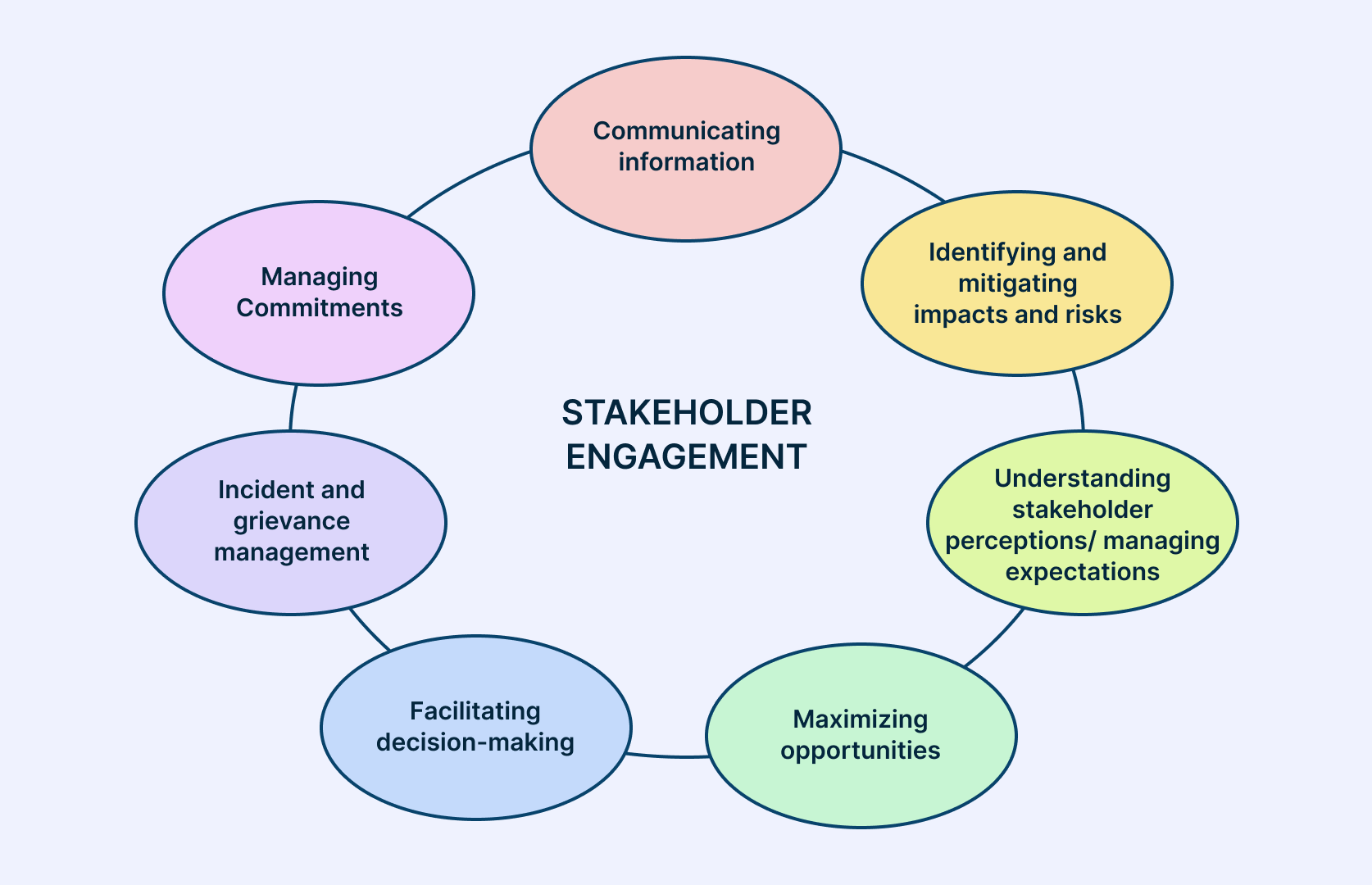
Content: Provides comprehensive guides on visual modeling, specifically the Stakeholder Engagement Model. It explains how to map stakeholders based on their interest and power, and how to move them from “Unaware” to “Leading”. Nội dung: Cung cấp các hướng dẫn toàn diện về mô hình hóa trực quan, cụ thể là Mô hình Gắn kết Bên liên quan. Nó giải thích cách lập bản đồ các bên liên quan dựa trên sự quan tâm và quyền lực, và cách chuyển họ từ trạng thái “Không biết” sang “Dẫn dắt”.
Objective: To help project managers use visual tools to analyze and communicate complex stakeholder relationships effectively. Mục tiêu: Giúp các giám đốc dự án sử dụng công cụ trực quan để phân tích và giao tiếp các mối quan hệ phức tạp với bên liên quan một cách hiệu quả.
Relevance: This resource is the origin of the engagement logic discussed in the “Sample Question Analysis” (Section 6). Sự liên quan: Tài liệu này là nguồn gốc của logic về sự gắn kết được thảo luận trong phần “Phân tích câu hỏi mẫu” (Mục 6).
9.3. PMI Official Documents (ECO & Handbook)
Content: The Examination Content Outline (ECO) lists the specific Tasks and Enablers examined. The Handbook outlines policies, code of ethics, and maintaining PDUs. Nội dung: Đề cương Nội dung Thi (ECO) liệt kê các Nhiệm vụ (Tasks) và Yếu tố hỗ trợ (Enablers) cụ thể được thi. Sổ tay nêu rõ các chính sách, quy tắc đạo đức và việc duy trì PDU.
Objective: To serve as the “single source of truth” for the exam. Any third-party material must align with these documents. Mục tiêu: Đóng vai trò là “nguồn sự thật duy nhất” cho kỳ thi. Mọi tài liệu bên thứ ba phải phù hợp với các tài liệu này.
10. References / Tài liệu tham khảo
- Creately. Guide to Stakeholder Engagement Model. https://creately.com/guides/stakeholder-engagement-model/
- Freecram. PMP Project Management Professional 2025 Version (e7002). https://www.freecram.net/exam/PMP-project-management-professional-2025-version-e7002.html
- Freecram. Sample Question Analysis (q956). https://www.freecram.net/question/PMI.PMP.v2025-12-17.q956
- PM Study Circle. Cost of PMP Certification. https://pmstudycircle.com/cost-of-pmp-certification/
- PM Study Circle. PMP Exam Format. https://pmstudycircle.com/pmp-exam-format/
- PM Study Circle. PMP Requirements. https://pmstudycircle.com/pmp-requirements/
- PM Study Circle. What is the PMP Application Process?. https://pmstudycircle.com/what-is-the-pmp-application-process/
- PM Study Circle. What is the PMP?. https://pmstudycircle.com/what-is-the-pmp/
- Project Management Institute (PMI). PMP Examination Content Outline. https://www.pmi.org/-/media/pmi/documents/public/pdf/certifications/pmp-examination-content-outline.pdf
- Project Management Institute (PMI). Project Management Professional (PMP) Handbook. https://www.pmi.org/-/media/pmi/documents/public/pdf/certifications/generic-certification-handbook.pdf?rev=50817fae4cd644b2b29df06898e27a33